



















Attending a funeral when you have not been to one recently — or when you are unsure of the customs — can feel uncertain. Funeral etiquette in the UK is largely about showing respect and consideration for the grieving family. This guide covers what to wear, what to bring, how to behave, and how to show ongoing support afterwards.
The most important thing to remember is that your presence matters far more than getting every detail exactly right.
{{snapshot}}
At a glance
What it covers
UK funeral etiquette — attire, flowers, behaviour during the service, donations, and supporting the family in the weeks that follow.
Who it's for
Anyone attending a funeral who wants to pay their respects thoughtfully and without inadvertently causing offence.
Key takeaway
Showing up, being quiet and present, and following the family's lead are the foundations of good funeral etiquette.
{{/snapshot}}
What to wear
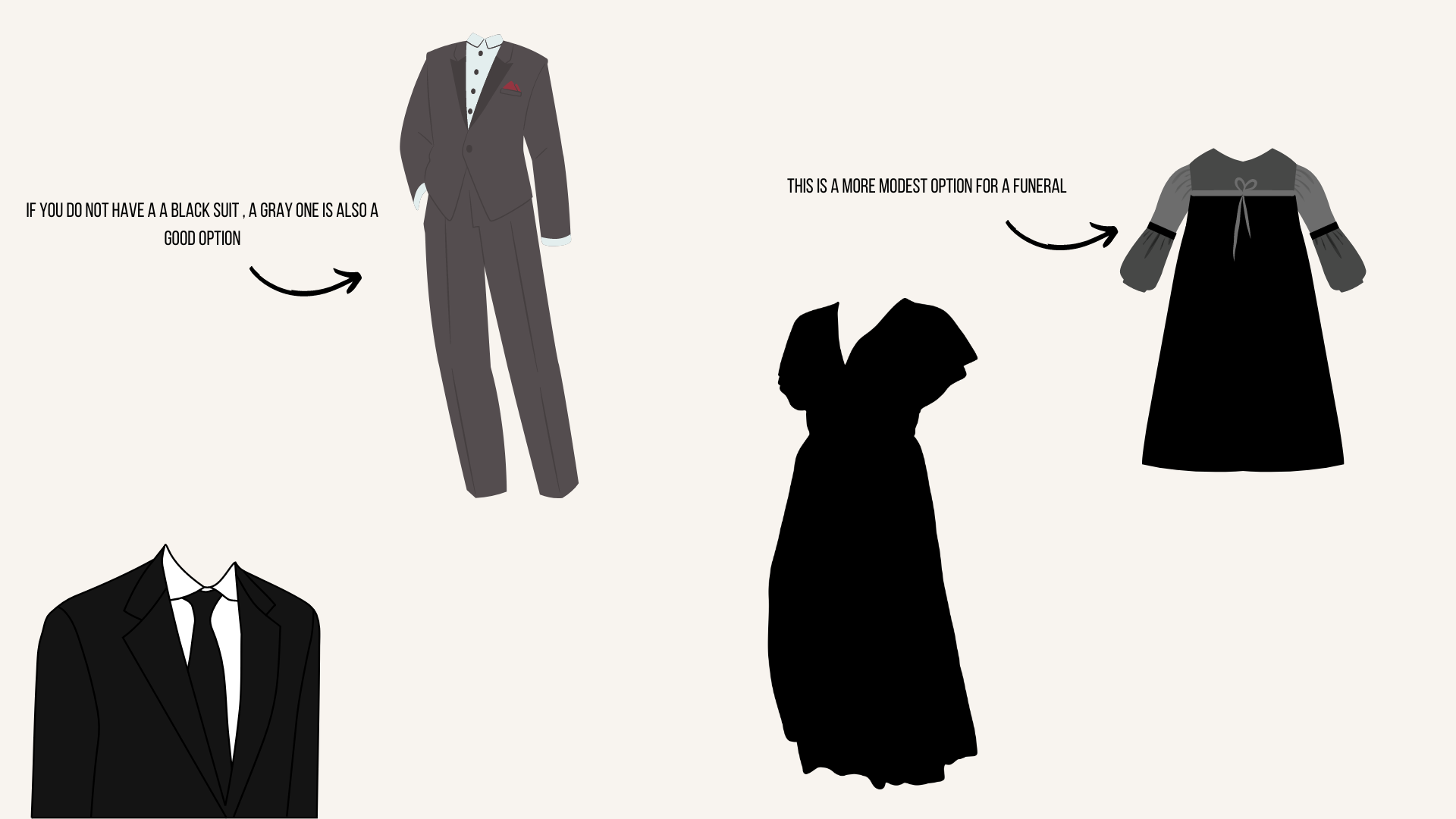
Black or dark-coloured clothing is the standard in the UK and remains the safest choice if you have not been given specific guidance. Dress modestly and avoid anything overly casual, bright, or attention-drawing. Some families now ask attendees to wear a specific colour — often something the deceased loved — in which case this will usually be communicated in the notice or invitation.
If in doubt, contact the family or funeral director beforehand. Dressing respectfully is always appreciated, even if your outfit is not perfect.
Let the family know you are attending
Organising a funeral is an enormous task, and the family are often managing numbers, catering, and seating at the same time as coping with profound grief. If you can, let them know in advance whether you will attend — a brief message or phone call is all it takes and it is genuinely helpful.
Flowers and donations
In the UK, white lilies are the most traditional funeral flower. Carnations and roses are also widely appropriate, typically in white, pale yellow, or soft pink. Flower arrangements are a respectful way to show love and sympathy — and if you forget to bring flowers on the day, sending them a week or two later is still a meaningful gesture.
Many families now ask for donations to a charity in lieu of flowers. If this is the case, any amount is appropriate — a general guide is to give roughly what you might have spent on a small bouquet. Give within your means; the family will not want your gesture to be a burden.
Condolences and expressions of sympathy
Offering your condolences does not require the perfect words. "I'm so sorry for your loss" — said sincerely — is always appropriate. Sharing a brief, fond memory of the deceased, if you have one, is often deeply comforting to the family. If you genuinely do not know what to say, a warm and silent embrace can say enough.
Seating and behaviour during the service
Wait to be seated if there are ushers; the front rows are generally reserved for immediate family. Silence or switch off your mobile phone before the service begins. Photography and recording are not appropriate during a funeral service unless the family has explicitly said otherwise. Follow the lead of those around you for any communal prayers or responses.
Donations and contributions
If a charity collection is being taken, contributions are welcome in any amount. Follow the family's wishes — some prefer donations over flowers, others welcome both.
What not to do
- Arrive late — if you are prone to running behind, leave significantly earlier than you think you need to.
- Leave early without good reason — clear your diary for the full service and, if invited, the wake afterwards.
- Use your phone during the service for calls, messages, or photography.
- Make the day about yourself — keep conversations focused on the deceased and the family's needs.
After the funeral — the wake
In many cases the family hosts a wake — a gathering at home, in a restaurant, or at a venue — after the service. This is an opportunity to share memories, offer comfort, and be present. Wait for an invitation; the family may wish to limit numbers to close friends and family only. If you are not invited to the wake, a card or message in the days following is always welcome.
Showing support in the weeks and months that follow
Grief does not end when the funeral is over. One of the most meaningful things you can do is to continue showing up for the bereaved family in the weeks and months afterwards — a text, a phone call, or a simple note to let them know you are still thinking of them. Remembering the anniversary of the death or the deceased's birthday with a card or flowers is a small gesture with a lasting impact.
For further guidance on supporting someone who is grieving, see our article on dos and don'ts of supporting someone who is grieving and how we can help those who are grieving.
If you are looking for funeral services, Funero UK offers direct cremation and full repatriation support across the UK.
Frequently asked questions
Is it rude to cry at a funeral?
Not at all. Expressing emotion is entirely appropriate at a funeral — it is a reflection of love and of shared loss. Bring tissues if you think you may need them.
Can children attend funerals?
Yes, and many bereavement specialists encourage it — attending a funeral can help children understand death in a healthy, age-appropriate way. If you are bringing a child, prepare them briefly beforehand and sit near an exit so you can step out quietly if needed.
What if I cannot attend the funeral?
Send a card, flowers, or a heartfelt message as soon as you can. Acknowledge the death directly — it is far better to say something than to say nothing out of uncertainty about what words to use.