













Africa is a continent of extraordinary cultural diversity, and nowhere is that more apparent than in the ways different communities mark the passing of a life. From elaborate celebrations in Ghana to ancient preservation rituals in Egypt and the living connection with ancestors in Madagascar, funeral traditions across Africa reflect deep beliefs about death, identity, and the bond between the living and the departed.
{{snapshot}}
At a glance
What it covers
Funeral traditions in Ghana, Egypt, and Madagascar — their cultural meaning and how they honour the deceased.
Who it's for
Anyone curious about cross-cultural approaches to death, mourning, and remembrance.
Key takeaway
African funeral traditions emphasise community, continuity, and the belief that the relationship between the living and the dead does not end at death.
{{/snapshot}}
Ghana: Fantasy Coffins and Community Celebration
Among the Ga people of Ghana, funerals are vibrant, community-centred events — often lasting several days and involving music, dancing, and gathering. They are seen not as somber occasions but as a celebration of a life lived and a send-off into the next realm.
The most striking expression of this worldview is the tradition of fantasy coffins. Craftsmen build coffins in elaborate shapes that reflect the deceased's profession, interests, or social status — anything from a cocoa pod or an eagle to a car or an aeroplane. The Ga believe that death is a transition, not an end, and that the deceased will continue their earthly role in the afterlife. The coffin becomes a literal representation of that identity.
Some coffins also reference Ga proverbs, which is why they are sometimes called "proverbial coffins." A sword-shaped coffin, for instance, may signify that the deceased held a priestly or regal role.
Egypt: Ancient Rites and Modern Mourning
Egypt is perhaps best known for the ancient funeral practices that shaped world history. The ancient Egyptians believed in an afterlife where the soul would continue to exist — provided the body was preserved and proper rituals followed. This led to the practice of mummification.
The mummification process followed several steps:
- Embalming: The body was washed and purified. Internal organs were removed and placed in canopic jars; the heart, believed to be the seat of the soul, was left in place.
- Drying: The body was packed in natron, a natural salt, for approximately 40 days to remove moisture.
- Wrapping: The dried body was wrapped in linen bandages, with protective amulets placed between the layers.
- Entombment: The mummified body was placed in a decorated sarcophagus and buried in a tomb, along with food, goods, and treasures for use in the next life.
Modern Egyptian funerals are shaped by Islamic tradition. The deceased is washed and wrapped in a plain white kafan and buried as soon as possible. Prayers are held at the mosque, and mourning periods typically involve communal gatherings, the recitation of the Quran, and expressions of solidarity with the bereaved family.
Madagascar: Famadihana — the Turning of the Bones
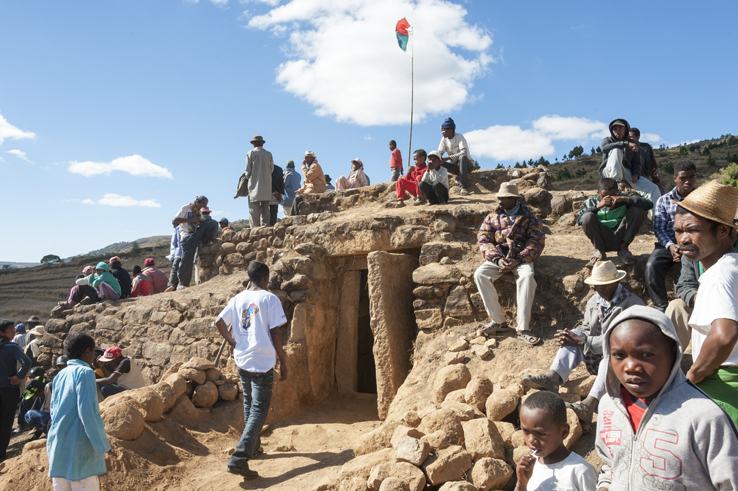
The Malagasy people of Madagascar practise one of the world's most distinctive funeral traditions: Famadihana, or "turning of the bones." Rooted in the belief that ancestors serve as intermediaries between the living and God — possessing real influence over events in the world — this ritual involves exhuming the remains of deceased relatives, rewrapping them in fresh cloth, and dancing with the bodies around the family tomb.
The ceremony is a celebration: an opportunity for families to honour their ancestors, share news and prayers, and strengthen the bonds between generations. The tomb itself carries immense significance — the Malagasy often invest more in a family tomb than in their own home, as it represents identity, lineage, and continuity.
Famadihana typically takes place every five to seven years, and the entire extended family is expected to attend.
A Shared Thread Across Difference
Despite their differences, these traditions share something important: the conviction that the connection between the living and the dead does not simply end at the moment of death. Whether through a fantasy coffin shaped like an eagle, a prayer said at a graveside, or a ceremony held years after burial, these cultures maintain a living relationship with those they have lost.
If you are interested in how other cultures approach death, you may also enjoy our article on Tibetan funeral traditions or Mexico's Día de los Muertos.
At Funero, we understand that the wishes and traditions of families vary widely. Our team provides compassionate, culturally sensitive support for international repatriation and funeral services. Contact us at info@funero.co.uk if we can help.