What to write in a sympathy card, and what to leave out
The right words are usually the simplest ones. Say you are sorry, use their name, share something you remember, and offer one specific thing. Here is how, what the bereavement charities advise leaving out, and some lines to start from.

Need to talk to someone?
We answer at any hour, and a call costs nothing. Tell us where your loved one is and we will tell you what happens next.
020 4559 2705At a glance
- What it is
- A few honest lines, not a perfect paragraph. Acknowledge the death, name the person, remember them, and offer help you will give.
- Who handles it
- Anyone who knew the person who died or the person grieving. A card from a colleague or a neighbour matters more than people expect.
- How long it takes
- Three or four sentences are enough. A card sent weeks or months later is still welcome.
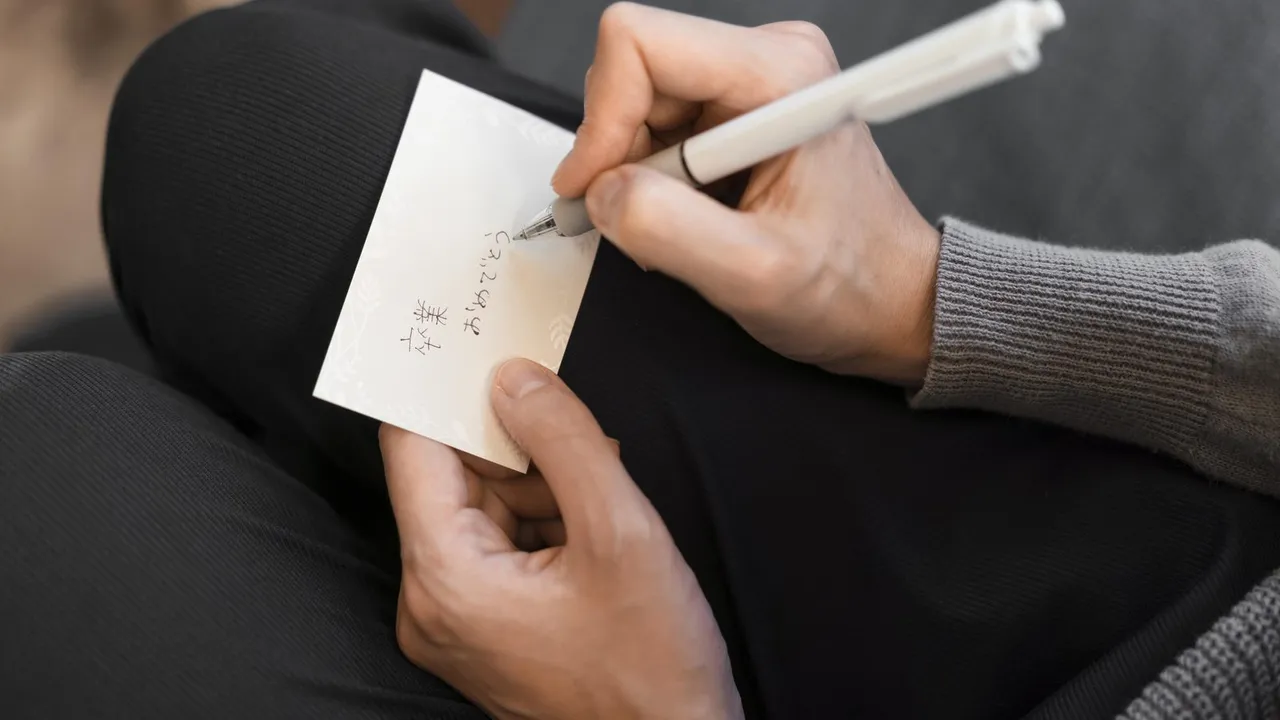
A blank sympathy card can feel impossible to fill. Cruse Bereavement Support found that nearly a third of British people are afraid of writing to someone who is grieving, mostly for fear of saying the wrong thing. But the people who are grieving say the same thing again and again: the hurt comes from silence, not from clumsy words. Sending the card matters more than getting it perfect.
The four things a good card does
It says you are sorry, simply. “I was so sorry to hear about your dad” does more than any flourish. You do not need to explain the death or find meaning in it.
It uses the person’s name. Many people avoid the name for fear of causing pain, but hearing it tells the family that the person mattered and is remembered. “I’ll miss Margaret’s laugh” lands in a way “your loss” never does.
It remembers them. If you knew them, add one real memory, however small: the way they greeted you, a kindness, a joke they always told. If you did not know them, you can write about something the person grieving once told you about them.
It offers one specific thing. “Let me know if you need anything” leaves the work with someone who has no energy for it. Offer something you will actually do: “I’ll drop a meal round on Thursday”, “I can walk the dog this week”, “I’ll ring on Sunday evening, and it doesn’t matter if you don’t pick up”.
What to leave out
The bereavement charities are consistent about the phrases that tend to hurt, even when they are meant kindly.
- “They’re in a better place” or “It was God’s will”, unless you know the family shares that belief.
- “At least they had a long life” or “It was for the best”. Anything that begins with “at least” asks the person to feel better than they do.
- “I know how you feel”. Every grief is different, and the card is about them, not you.
- “Time heals” or “You’ll get over it”. Grief is something people learn to live with, not something they recover from.
- “Stay strong”. They do not need to be strong for anyone.
You also do not need to ask how the person died. If the family wants to talk about it, they will.
Some lines to start from
Use these as a starting point and make them your own. The more of you in the card, the better.
- “I’m so sorry about your mum. I’ll always remember how welcome she made me feel at your house.”
- “Thinking of you and the family. David was one of the kindest people I have worked with.”
- “I don’t have the right words, but I wanted you to know how sorry I am, and that I’m here.”
- “No need to reply to this. I’ll text on Friday to see if you’d like a walk at the weekend.”
If you did not know them well
A short card is right. “I was very sorry to hear that your father has died. You are in my thoughts” is complete. For a colleague, a simple message is what most people appreciate, and the thing they remember afterwards is who said nothing at all. If the whole team is signing one card, write a line of your own rather than only your name.
If it is late
It is not too late. Most support arrives in the first fortnight and then falls away, while the grief carries on for months and years. A card that arrives six weeks later, or on the first birthday or anniversary, or at Christmas, often means more because it comes when everyone else has gone quiet. You can simply say so: “I’ve been thinking about you, and I wanted you to know I haven’t forgotten Ali.”
If the death was abroad
When someone has died in another country, the family is often dealing with a repatriation, consulates and flights on top of the grief, sometimes for a week or more before there is a funeral. A card that acknowledges the death now, rather than waiting for the funeral, is welcome. Practical offers matter even more: a meal, a lift, help with a phone call. If the funeral is abroad and people here cannot go, a card may be one of the few ways they can mark it. Grieving far from home is written for that family.
And if you get it wrong
Everyone does, sometimes. If something you said upset them, a short apology is enough, and try not to take their reaction personally; grief makes people raw. For more on what to say face to face, what to say when someone dies goes further.
If someone you know is facing a repatriation or a funeral abroad, the most practical help may be pointing them to someone who answers the phone at any hour.
Repatriation to and from the UK- Cruse Bereavement Support, What to say when someone is grieving
- Cruse Bereavement Support, Someone has just died, how to help
- Cruse Bereavement Support, What to say at Christmas
- Cruse Bereavement Support, Supporting a bereaved colleague
- Sue Ryder, What to say to someone who is grieving
- Marie Curie, Supporting someone who has been bereaved
- The Good Grief Trust, advice from bereaved friends

Need to talk to someone?
We answer at any hour, and a call costs nothing. Tell us where your loved one is and we will tell you what happens next.
020 4559 2705