

“Reliable, professional, a reasonable price, and most important of all, my brother arrived exactly on time.”
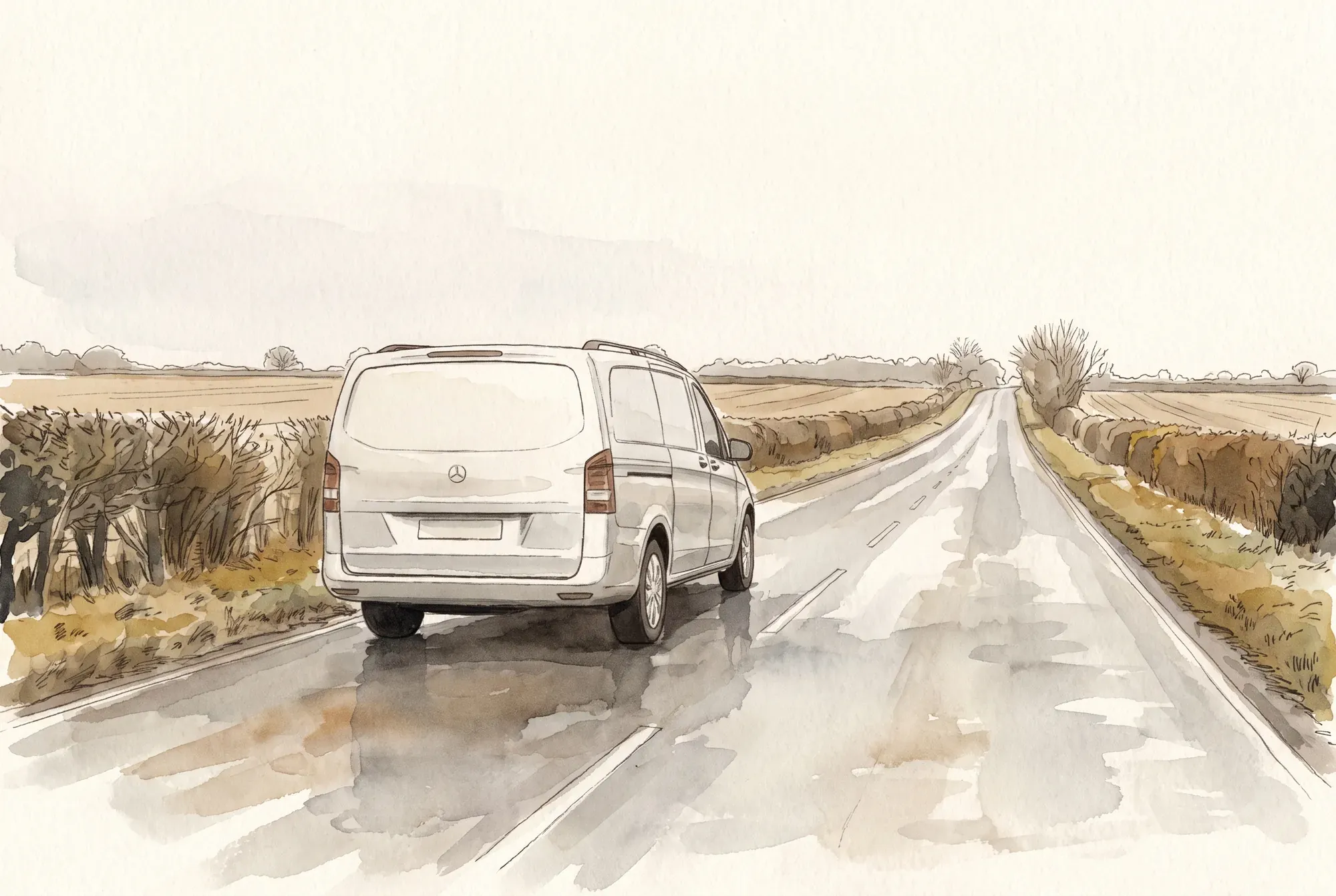
By road, in our own funeral ambulances
Most repatriations to and from the UK go by road, driven by our own team, so your loved one stays in our care the whole way. We book a flight only where the road is not possible.
 The paperwork at both ends
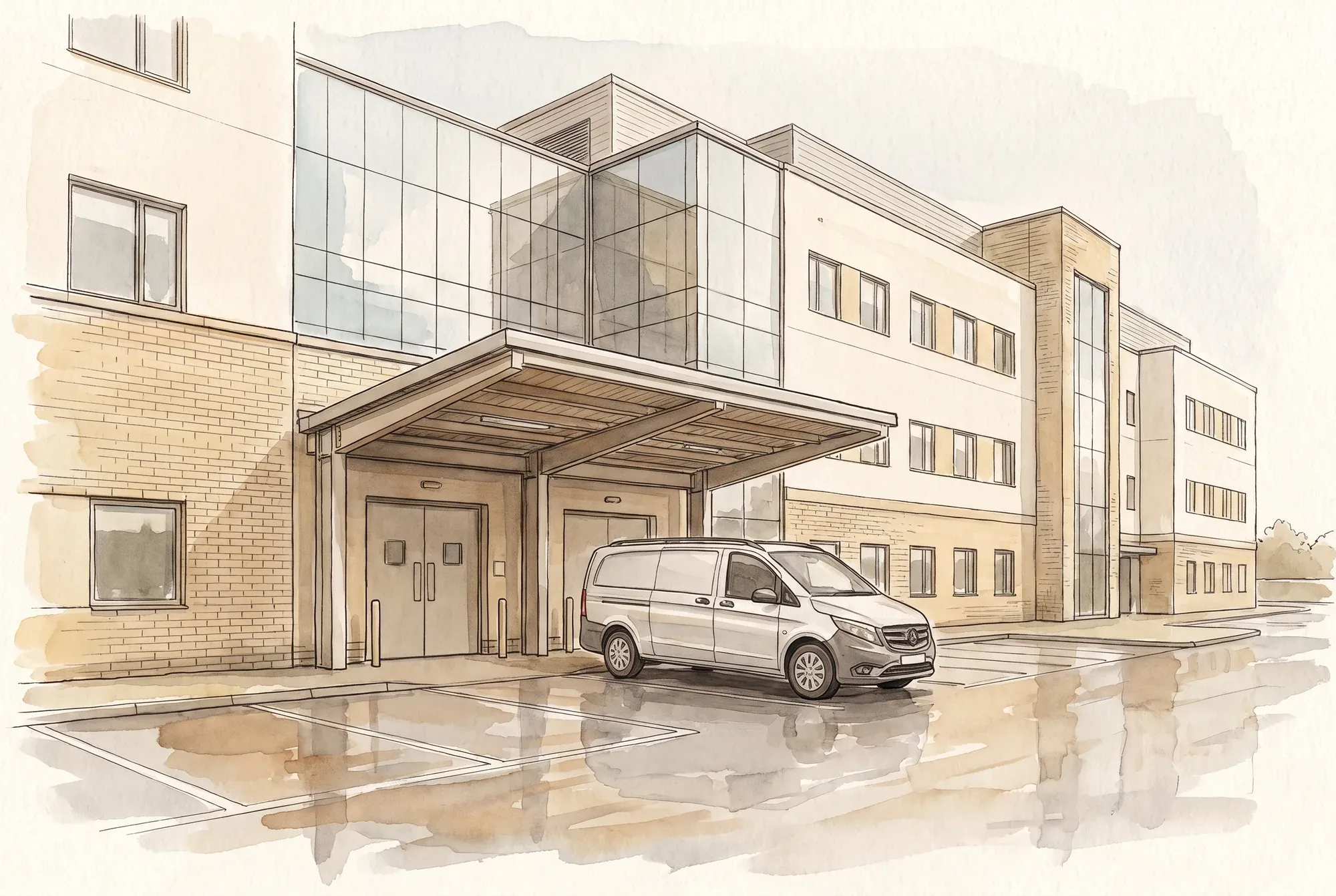 Collection
 Hygienic treatment
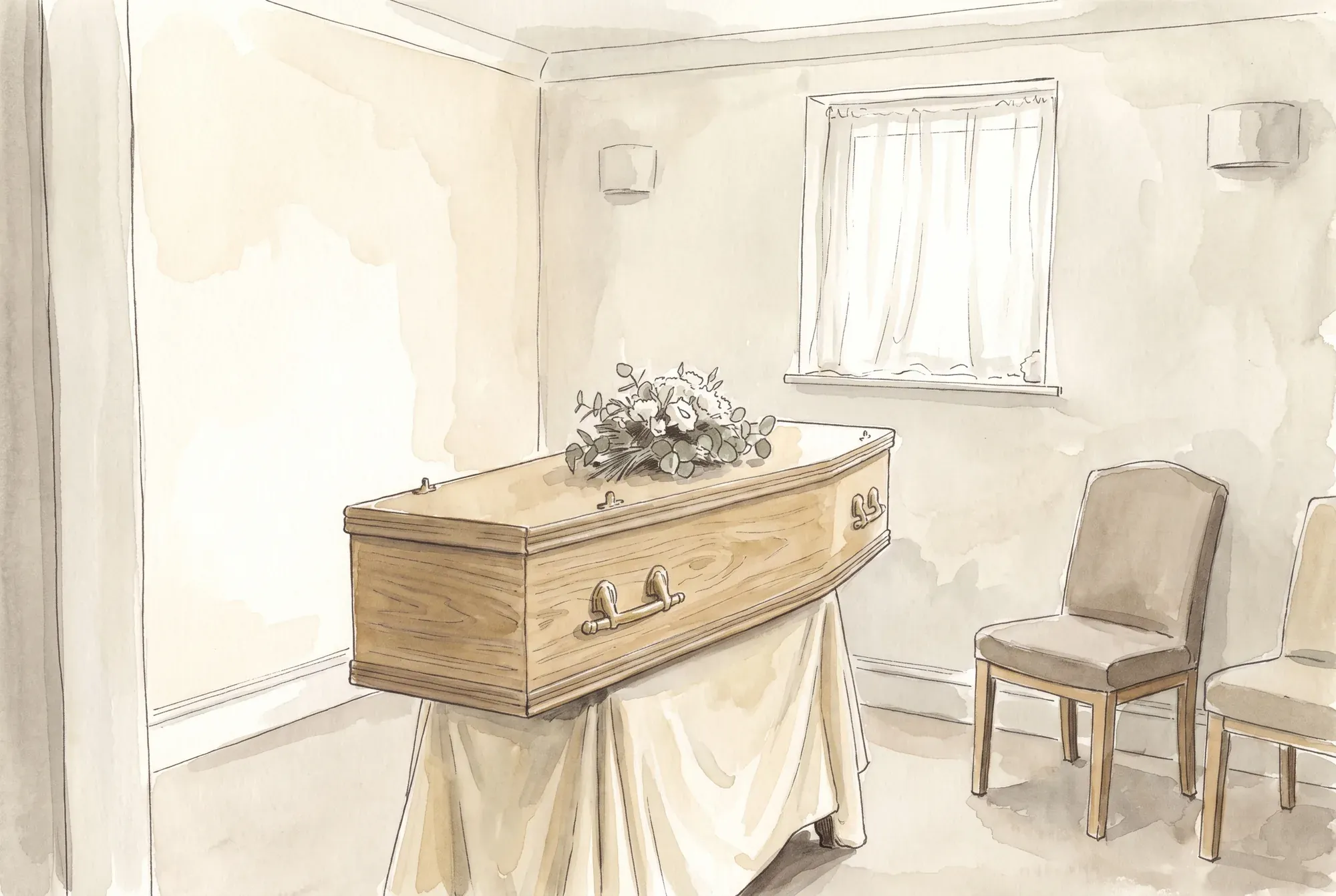 A sealed coffin
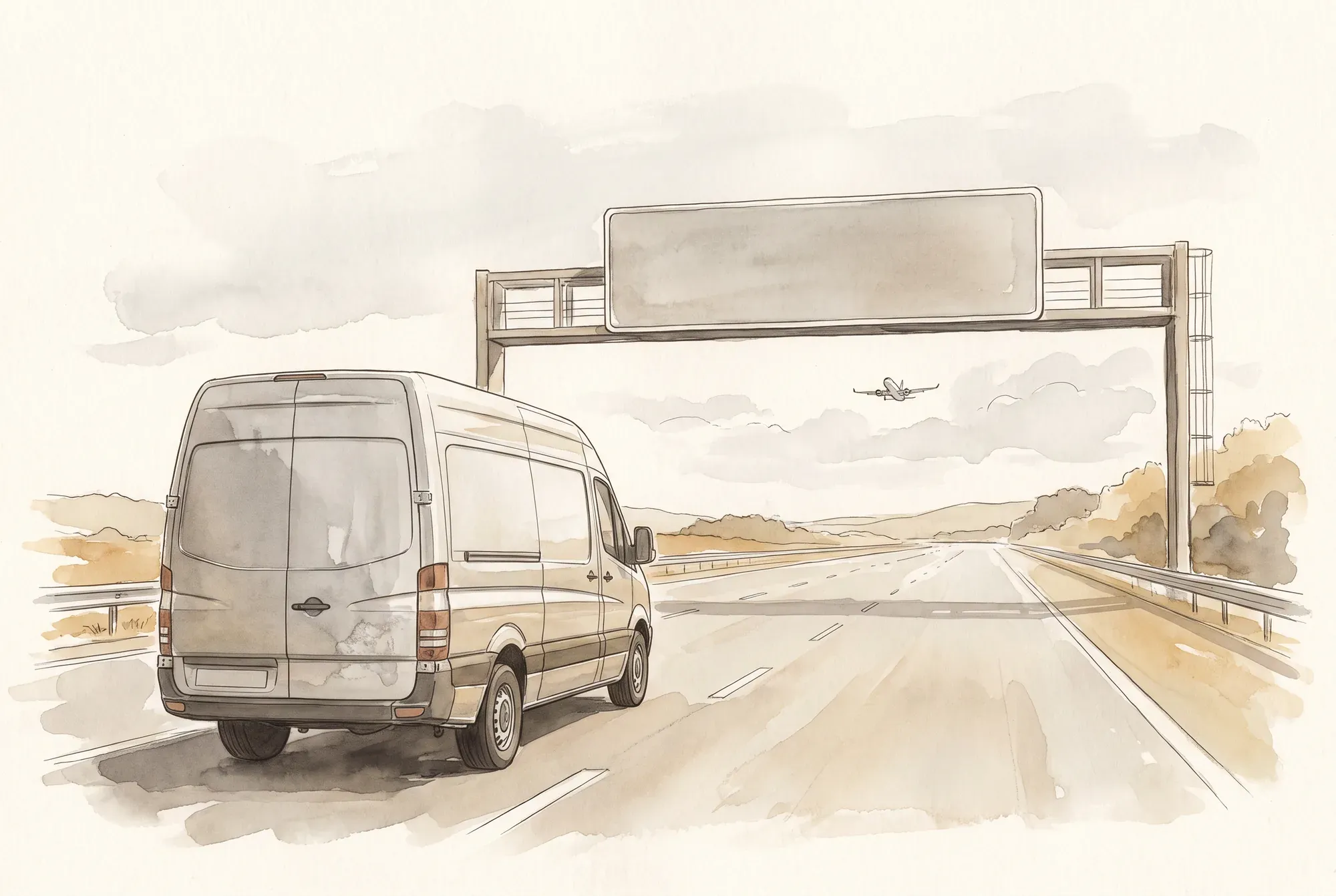 Transport, by road or by air
 One specialist, start to finish
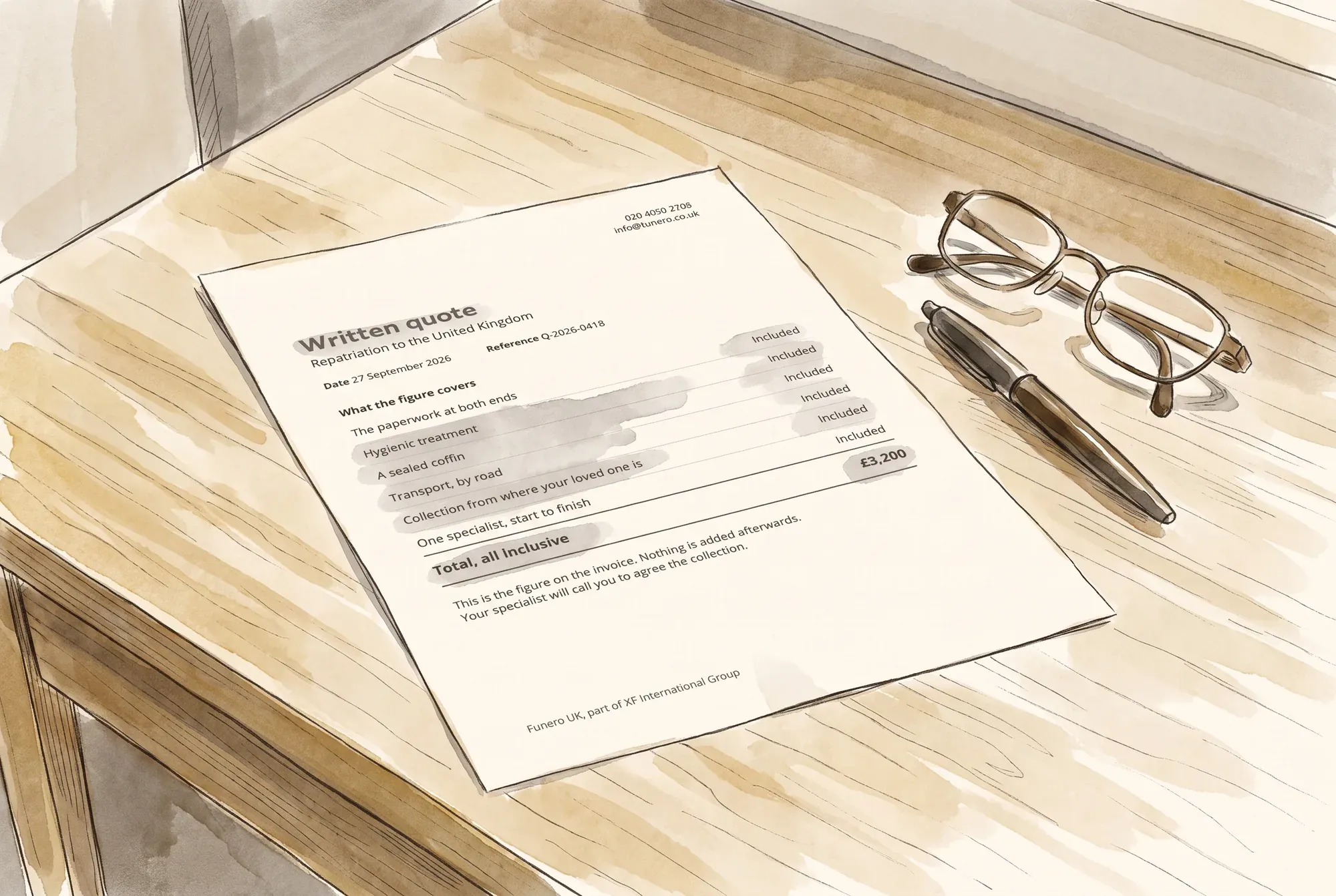
One price, in writing, before anything moves
Before anything is booked you have an itemised quote in writing, and nothing is added to it afterwards, so you can plan without surprises.

One specialist, from the first call to the last
The same person holds your case, deals with the offices at both ends and tells you when each step is done, so you never have to explain it twice.
Repatriation to and from Lithuania
£2,700
Estimated, all inclusive
- Usually 2 to 7 days
- Agreed in writing
- We answer any hour
- Our fees, and one specialist from the first call to the last
- Collection from the hospital or mortuary
- Hygienic treatment, and care until your loved one travels
- A sealed coffin that meets the route’s requirements
- All the paperwork required
- Transport by road in our own refrigerated funeral ambulances, or by air where the road is not possible
When your loved one needs an urgent collection, usually from a home: the estimate covers collection from a hospital or mortuary. Tell us where they are on the first call and the written quote includes it, with any of the costs specific to Lithuania that apply.
The estimate for any country, in either direction, and what it covers.
Work out an estimate for another countryWork out an estimate for another country
How body repatriation works, step by step
Four steps between Lithuania and the UK, and we do all of them. You hear from us at each one, not only at the end.
The first call
You tell us where your loved one is, in Lithuania or in the UK. We tell you the cost and what happens next, at any hour.
The paperwork
The death certificate, the permit to travel and the papers the carrier needs. We obtain them in Lithuania and here.
Care and transport
Hygienic treatment and a sealed coffin. Most routes travel by road in our own vehicles, by air only where the distance calls for it.
Arrival
By road, we drive on to the funeral director you have chosen, or to ours. By air, collection at the destination is an optional extra.
The papers we obtain for you
This is the set most routes need. Where a country asks for something else, we tell you before we quote, and we obtain that too.
-
Out of England permission
From the coroner, when the death happened in England.
-
Free from infection certificate
Confirms there is no infectious disease, for the carrier and the receiving country.
-
Funeral director’s declaration
Our signed declaration for the transport.
-
Embalming certificate
Where the route or the receiving country requires one.
-
Apostille
Where the receiving country asks for one.
-
Translations
Certified, where a document is not in the receiving country’s language.
Procedures change from time to time, so this list may lag behind them. We keep up with every change and confirm what your case needs on the first call.
What we need from you
-
The death certificate
Or the coroner’s interim certificate, where there is an inquest.
-
Their passport
Or a copy to begin with. We tell you if the original is needed.
-
Your permission for us to act
A short form we send you to sign, so we can deal with the offices for your family.
What we need from you
-
Their passport, or a copy
Whatever you have to hand. We tell you what else is needed.
-
Any papers you already hold from Lithuania
A death certificate or a hospital letter, if you have one. If not, we obtain it.
-
Your permission for us to act
A short form we send you to sign, so we can deal with the offices for your family.
Repatriation between  Lithuania and the
  United Kingdom
The whole route in plain terms, in both directions, written for someone reading it for the first time.
Repatriation from Lithuania to the United Kingdom
The United Kingdom is home to one of the largest Lithuanian communities in Western Europe, with families settled across London, Peterborough, Boston and much of the East of England, alongside people who travel between the two countries for work and to see relatives. When a death occurs in Lithuania, bringing your loved one home to the UK brings together the Lithuanian authorities, the receiving arrangements in England, Wales, Scotland or Northern Ireland, and the transport itself. We coordinate all three, so the family does not have to travel to Lithuania or deal directly with Lithuanian offices in a language they may not speak. If you are at the very start of this, our repatriation hub explains the process in plain terms.
Because Lithuania is a member of the European Union and, like the United Kingdom, a party to the Hague Apostille Convention, the documentation is comparatively predictable. Your loved one most often comes home by road, roughly 1,800 km, and the main variables are the local formalities in the municipality where the death occurred and whether an examination into the cause of death is required.
The process in Lithuania
The death is registered at the local civil registry office, which issues the official Lithuanian death certificate, the mirties liudijimas. A funeral operator takes your loved one into its care and carries out the preparation needed for international carriage, and a permit authorising international transport of the coffin is obtained so the coffin can leave the country. We attend to these steps on the family's behalf while your loved one is prepared.
Preparation and transport
Your loved one receives hygienic treatment (embalming) and is placed in a sealed, transport-standard coffin, as required for international transport. Our own funeral ambulances make most repatriations from Lithuania to the UK, with the Channel crossing at the end. Our team collects your loved one from the local funeral director or hospital and brings them without interruption to the receiving funeral director in the UK. Where the road is not possible or the family needs a faster option, we book a flight through Vilnius and manage the airline booking, the airport formalities at both ends and the onward transfer.
Bringing your loved one into the UK
Once in the UK, the family can arrange the funeral. For a burial, the foreign death certificate is generally sufficient. For a cremation, the coroner in England and Wales must give authority first: this is the Cremation Form 6, issued once the coroner is satisfied there is no need for further investigation (in Scotland this role falls to the procurator fiscal; in Northern Ireland, the coroner). You can read more about the coroner's role in England in our resource centre. We liaise with the coroner's office so this is in place without delay.
Timelines and what affects them
A repatriation from Lithuania usually takes 2 to 7 days from first contact to arrival in the UK, your loved one travelling roughly 1,800 km. The timing depends on the municipality of departure, the issuing of the death certificate and the transport permit, and the circumstances of the death. Where a death is sudden or unexplained and an examination is ordered, release can take several days longer.
This estimate is counted from when the death is registered, and our team does everything possible to complete the repatriation sooner.
Costs and financial support
We put a firm price in writing on the first call, and that is the figure on the invoice. The figure depends on the region of departure, the cause of death, and local funeral-home and registry fees. Families are often unaware that a UK-based estate or life-insurance policy, or travel insurance held by your loved one, may cover part of the cost, and we help you check what the policy covers.
Authorities involved
- Civil registry office: registers the death and issues the official Lithuanian death certificate (mirties liudijimas).
- Funeral operator: takes your loved one into its care and carries out the hygienic treatment and preparation required for international transport.
- UK coroner / procurator fiscal: where a cremation is planned in England and Wales, authorises it via Cremation Form 6 (in Scotland, the procurator fiscal; in Northern Ireland, the coroner).
Documents required
- Mirties liudijimas: the official Lithuanian death certificate from the civil registry.
- Transport permit for international carriage: authorising the coffin to be moved out of Lithuania.
- Hygienic treatment and freedom from infection certificates: confirming preparation to international transport standard and that your loved one poses no public-health risk in transit.
- Coroner's authority (Cremation Form 6): only where a cremation is planned in England and Wales.
Repatriation from the United Kingdom to Lithuania
When someone dies in the UK and is to be returned to Lithuania for the funeral, the process brings together the UK coroner's formalities, the requirements set by the Lithuanian authorities, and the transport itself. Lithuania is roughly 1,800 km away, and most repatriations there are made by road in our own funeral ambulances. A flight to a Lithuanian airport such as Vilnius is arranged where road transport is not possible or the family asks for a faster route. We manage the transport and the paperwork on both sides so that the large Lithuanian community here in the UK, one of the biggest in Western Europe, spread from London to Peterborough and the East of England, does not have to deal with UK offices in English alone. Our repatriation hub sets out the essentials if you are at the start.
Taking a loved one out of England and Wales follows a set UK procedure; the Lithuanian consular and import requirements then set the standard for the documents that must accompany your loved one and for the way the coffin is prepared. Because Lithuania is an EU member state and, like the UK, a party to the Hague Apostille Convention, those requirements are comparatively predictable.
Telling the coroner: taking a loved one out of England and Wales
Before a loved one can be taken out of England and Wales, the law requires that the coroner for the district be given at least four clear days' notice (the Removal of Bodies Regulations 1954). The coroner then issues an acknowledgement, the "out of England" notice, confirming there is no objection to removal, and can release your loved one sooner where satisfied that no further enquiries are needed. We complete this notification and obtain the acknowledgement on the family's behalf. In Scotland the equivalent authority is the procurator fiscal; in Northern Ireland, the coroner.
Arriving in Lithuania: the receiving formalities
Your loved one travels after hygienic treatment (embalming), placed in a sealed, transport-standard coffin, accompanied by the UK death certificate and certificates of hygienic treatment and freedom from infection. On arrival in Lithuania, a funeral operator receives your loved one and, where the funeral is held there, the death is recorded with the local civil registry office ahead of the burial or cremation. We prepare the document file and coordinate directly with the funeral operator in Lithuania. You can read more about repatriating a loved one from the UK in our guidance.
Preparation and transport
Your loved one receives hygienic treatment and is placed in a transport-standard sealed coffin that meets Lithuanian requirements. Our team collects your loved one from the UK hospital, mortuary or funeral director and stays with them on the road to Lithuania, coordinating with the receiving funeral operator, who takes your loved one into their care for the funeral. When a flight is needed, the coffin also meets airline requirements, and we book the flight to the appropriate Lithuanian airport, complete the airline's documentation, and arrange collection at the destination.
Timelines and what affects them
A repatriation from the UK to Lithuania usually takes 2 to 7 days from first contact, over a distance of roughly 1,800 km. The main factors are the four clear days' notice to the coroner (which can sometimes be shortened at the coroner's discretion), the consular formalities in the UK, and transport availability. Where the death has been referred to the coroner for investigation, the timeline can be longer.
This estimate is counted from when the death is registered, and our team does everything possible to complete the repatriation sooner.
Costs and financial support
We put a firm price in writing on the first call, and that is the figure on the invoice. The figure depends on the destination in Lithuania, the transport costs, and any UK funeral-home and mortuary fees. A UK estate, a life-insurance policy or your loved one's own arrangements may cover part of the cost, and we help you check what the policy covers.
Authorities involved
- UK coroner (or procurator fiscal in Scotland): must be given at least four clear days' notice before your loved one is taken out of England and Wales, and issues the "out of England" acknowledgement.
- UK registrar: registers the death and issues the death certificate that accompanies your loved one.
- Embalmer / UK funeral director: carries out hygienic treatment to international transport standard and provides the sealed transport coffin.
- Lithuanian diplomatic mission or consular office in the UK: issues the permit to move your loved one in a coffin, which must accompany the coffin (see the note above).
- Receiving funeral operator in Lithuania: receives your loved one at the destination and arranges the funeral locally.
Documents required
- UK death certificate: issued by the registrar once the death is registered.
- Coroner's "out of England" acknowledgement: after at least four clear days' notice.
- Consular permit to move your loved one in a coffin: issued by the Lithuanian mission and carried with the coffin.
- Hygienic treatment certificate: confirming preparation to international transport standard.
- Free from infection certificate: confirming no public-health risk in transit.
- Sealed transport coffin: as required for international carriage to Lithuania.
UK procedure
- The Removal of Bodies Regulations 1954 (legislation.gov.uk)
- Cremation (E&W) Regulations 2008: form Cremation 6 (gov.uk)
Legalisation
Receiving country (Lithuania)
Last verified July 2026.
Questions families ask us about bringing someone home from Lithuania
The core documents are the mirties liudijimas (the official Lithuanian death certificate) from the civil registry, a transport permit for international carriage authorising the coffin to leave Lithuania, and hygienic treatment and freedom from infection certificates.
Where a cremation is planned in England and Wales, the coroner must also authorise it (Cremation Form 6). We obtain all of the Lithuanian documents on your behalf.
Usually 2 to 7 days from first contact to arrival in the UK, your loved one travelling roughly 1,800 km.
The timing depends on the municipality of departure, the issuing of the death certificate and transport permit, and the circumstances of the death. Where an examination into the cause of death is ordered, release can take several days longer.
No. We deal directly with the civil registry, the funeral operator and the authorities handling the transport. The family does not need to travel or communicate with the Lithuanian offices.
The whole process is arranged remotely on the basis of a simple written authorisation sent by email or WhatsApp.
Yes. A burial can usually proceed on the foreign death certificate alone. For a cremation in England and Wales, the coroner must first give authority using Cremation Form 6, once satisfied that no further investigation is needed (in Scotland, the procurator fiscal).
We liaise with the coroner's office so this authority is in place when your loved one arrives.
The quoted price covers the Lithuanian documentation, hygienic treatment, a transport coffin suitable for the UK funeral, the transport permit, transport to the UK by road or by air, and handover to your funeral director.
We put a firm price in writing on the first call, and that is the figure on the invoice. The figure depends on the region of departure, the cause of death and local fees.
Questions families ask us about repatriation to Lithuania
Before removal, the coroner must be given at least four clear days' notice and issues an "out of England" acknowledgement. Your loved one then travels after hygienic treatment, in a sealed, transport-standard coffin, accompanied by the UK death certificate and certificates of hygienic treatment and freedom from infection.
Lithuania also requires a consular permit to move your loved one in a coffin, issued by its diplomatic mission in the UK, which must accompany the coffin. We prepare the file and coordinate both sides.
Yes. Repatriation to Lithuania is coordinated with the Lithuanian diplomatic mission or consular office in the UK, which issues the permit to move your loved one in a coffin; this permit must accompany the coffin.
We prepare and lodge the consular application on the family's behalf, so no one needs to attend the consulate in person.
Usually 2 to 7 days, over roughly 1,800 km. The main factors are the four clear days' notice to the coroner, which can occasionally be shortened at the coroner's discretion, and the consular formalities in the UK.
Transport availability also affects timing, and where the death has been referred to the coroner for investigation the timeline can be longer.
Lithuania is a member of the Hague Apostille Convention, so where a UK public document must be legalised it can be apostilled in the UK rather than going through a longer legalisation chain.
In practice the Lithuanian mission advises which documents are needed for the consular permit, and we prepare the file accordingly.
The quoted price covers the coroner notification, hygienic treatment, a sealed transport coffin, the transport certificates, the Lithuanian consular permit, and transport to Lithuania, by road or by air, with handover to the receiving funeral operator.
We put a firm price in writing on the first call, and that is the figure on the invoice. The figure depends on the destination and the transport costs.
Every other country, in both directions
We bring loved ones home to the UK from anywhere, and from the UK to anywhere in the world. Three more routes written up in the same detail: repatriation to and from Macedonia, Malta and Moldova. For the road across the continent, read about repatriation between Europe and the UK.

Europe
 Albania
 Andorra
 Armenia
 Austria
 Belarus
 Belgium
 Bosnia and Herzegovina
 Bulgaria
 Croatia
 Cyprus
 Czech Republic
 Denmark
 Estonia
 Finland
 France
 Georgia
 Germany
 Greece
 Hungary
 Iceland
 Ireland
 Italy
Italy Latvia
 Liechtenstein
- Lithuania
 Luxembourg
 Malta
Malta Moldova
 Monaco
 Montenegro
 Netherlands
 North Macedonia
 Norway
 Poland
 Portugal
 Romania
 Russia
 San Marino
 Serbia
 Slovakia
 Slovenia
 Spain
Spain Sweden
 Switzerland
 Ukraine
 Vatican City
Africa
 Algeria
 Angola
 Benin
Benin Botswana
 Burkina Faso
 Burundi
 Cameroon
 Cape Verde
 Central African Rep.
 Chad
Chad Comoros
 Congo
Congo Cote d'Ivoire
 Djibouti
 DR Congo
 Egypt
Egypt Equatorial Guinea
 Eritrea
 Eswatini
 Ethiopia
 Gabon
Gabon Gambia
 Ghana
Ghana Guinea
 Guinea-Bissau
 Kenya
Kenya Lesotho
 Liberia
 Libya
Libya Madagascar
 Malawi
 Mali
Mali Mauritania
 Mauritius
 Morocco
 Mozambique
 Namibia
 Niger
Niger Nigeria
 Rwanda
 Sao Tome and Principe
 Senegal
 Seychelles
 Sierra Leone
 Somalia
 South Africa
 South Sudan
 Sudan
Sudan Tanzania
 Togo
Togo Tunisia
 Uganda
 Zambia
 Zimbabwe
Asia
































Middle East
















Americas



































Oceania














Search results
No country or city matches that. Try another spelling, or ask us: we cover every country.
In a family's own words
Someone answers, any hour of the day
Tell us where your loved one is and we will tell you what happens next, and what it costs.