






.jpeg)








After cremation, families face a deeply personal question: what to do with a loved one's ashes. There is no single right answer. The choice depends on your family's values, cultural or religious beliefs, and the wishes — expressed or implied — of the person who has died.
Below are six meaningful approaches, from the traditional to the creative, to help you find what feels right.
{{snapshot}}
At a glance
What it covers
Options for handling cremated remains — from scattering and burial to jewellery and living memorials.
Who it's for
Families and next of kin who have received a loved one's ashes and are considering their options.
Key takeaway
There is no obligation to decide immediately — many families keep ashes at home while they reflect on what feels most meaningful.
{{/snapshot}}
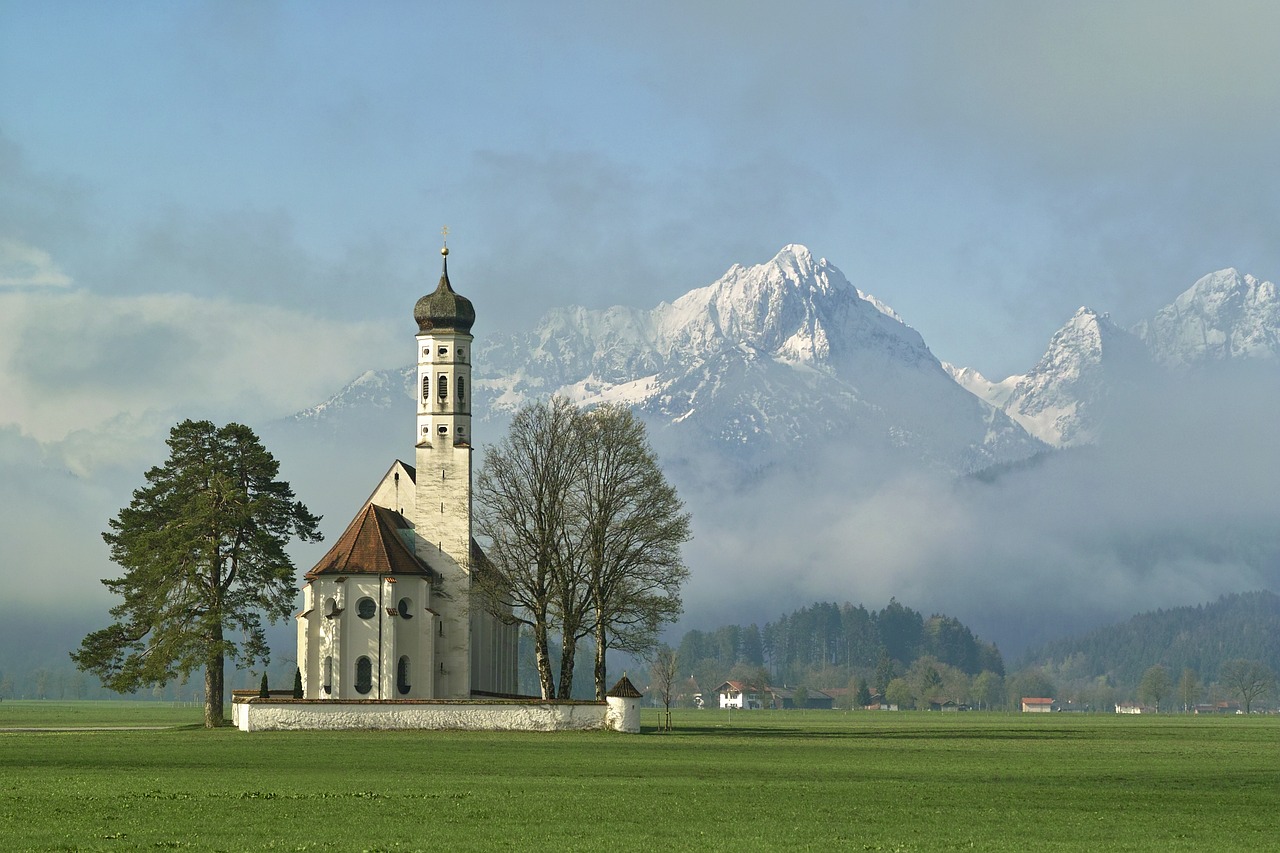
Scattering in a meaningful place
Scattering ashes in a natural setting that held significance to the deceased — a favourite beach, forest, or hillside — is a common choice. In England and Wales you may scatter ashes on private land with the landowner's permission, or at sea beyond the inshore limits. Some families hold a small ceremony at the scattering; others prefer a private, quiet moment.
Memorial gardens
You can incorporate ashes into soil when planting a dedicated memorial garden — in your own garden or, with permission, in a public space. Choosing flowers, shrubs, or a tree that was meaningful to your loved one creates a living tribute that grows over time.
Memorial jewellery
A small portion of ashes can be set into a pendant, ring, or bracelet — keeping a tangible connection close. Many specialist jewellers in the UK offer this service, and the result is a discreet, personal keepsake.
Custom artwork
Ashes can be incorporated into paintings, glass pieces, or sculptures by specialist artists. The result is a one-of-a-kind artwork that holds deep emotional value and can be displayed at home or passed down through the family.
Keepsake objects
Filling an hourglass, paperweight, or dedicated keepsake box with a small portion of ashes allows the family to interact with the loved one's memory daily, without a formal memorial site.
Living memorials — ashes to soil
Specialist biodegradable urns contain both ashes and a tree seed. Plant the urn, and a tree grows from it — a living, evolving memorial. This approach appeals to families who value environmental sustainability or simply want something that endures and grows.
Frequently asked questions
How long can I keep ashes at home?
There is no legal time limit in the UK for keeping ashes at home. Many families keep them for months or years while they decide on a permanent resting place.
Can I split ashes between family members?
Yes. It is legally and practically straightforward to divide ashes between family members who want different keepsakes or memorials.
Do I need a permit to scatter ashes in the UK?
No permit is required to scatter ashes in England and Wales, provided you have the landowner's permission for private land, or scatter at sea outside the inshore limits. Scotland and Northern Ireland have similar rules — always confirm locally.
If you are exploring how ashes can be taken to another country, our guide on taking ashes abroad covers airline rules and country-specific restrictions. You might also find it helpful to read about choosing the right urn before deciding on a permanent arrangement.