Planning a memorial service after a direct cremation
A memorial service is a funeral without the coffin, held when and where you choose. Here is what one usually contains, where families hold them, what to do about the ashes, whether you need a celebrant, and how to keep it the size of the people who are there.

Need to talk to someone?
We answer at any hour, and a call costs nothing. Tell us where your loved one is and we will tell you what happens next.
020 4559 2705At a glance
- What it is
- A gathering to remember a person, held after a direct cremation with the ashes home, in the family's own time and place.
- Who handles it
- The family plans it. A celebrant if you want someone to lead; a friend if you want it informal. Everyone who could not have made the crematorium.
- How long it takes
- Held weeks or months after the cremation, when you are ready. An hour of gathering and as long as you like afterwards.
A direct cremation has no service, and the ashes come home within days. What the family does then is the memorial, and it is the part families most underestimate: a funeral without the coffin, held when the shock has passed and the people who matter can be there, in a place that meant something. This guide is what a memorial usually contains, where families hold them, and how to keep it the size of the people who come.
What a memorial service usually contains
The same things a funeral service does, in whatever order and length you choose. A welcome and the person’s name. A tribute, which is the eulogy, given by a family member, a friend or a celebrant. Two or three readings, poems or pieces of music that were theirs. A moment of silence, or a prayer if the family is religious. A chance for anyone who wants to say something to say it, which a funeral rarely allows and a memorial can. And then food, and the ordinary talk that is the real purpose of a wake.
An hour is usual for the formal part, and shorter is fine. Families who plan for forty-five minutes and let it run are usually right.
Where families hold them
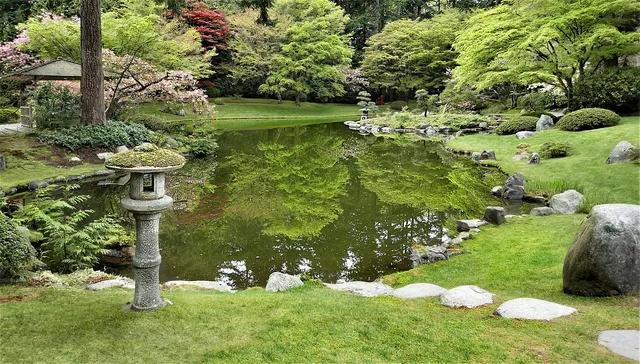
Anywhere. A garden, the person’s own or a friend’s. A village hall or a community centre. The back room of a pub the person drank in. A church or a chapel, which will hold a memorial service for a person cremated elsewhere and often welcomes it. A crematorium’s chapel, which can be booked for a memorial without a cremation. A beach, a hilltop, a football ground, an allotment. The place that meant something to the person is nearly always the right one, and the practical questions, weather, parking, chairs, a toilet, are the same as for any gathering.
The ashes
The ashes can be present, in an urn on a table, or absent, or the centre of the day. Many families make the scattering or the burial of the ashes the memorial itself: the gathering at the place, the words, the scattering, and then the pub. What to do with the ashes has the options and the two rules, and choosing an urn covers the container for the day. There is no requirement that the ashes be part of it at all.
Whether you need a celebrant
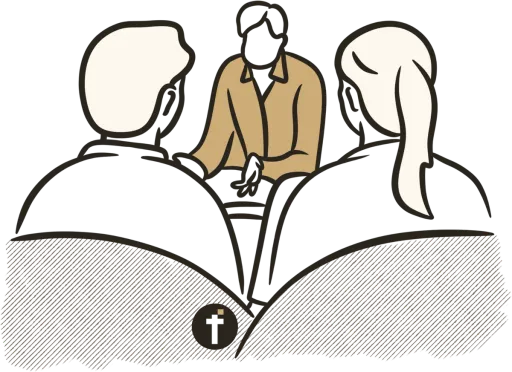
A celebrant, humanist, religious or independent, will meet the family, write the tribute from what they tell them, and lead the day so that the family does not have to. It costs a fee of a few hundred pounds and it is worth it for a larger memorial or a family who would rather not stand up. For a small one, a friend who knew the person and can hold a room does the same job for nothing, and many families find that better. A minister will lead a memorial in a church for a family that wants one.
The visual part
Photographs, printed and pinned up or on a screen; the person’s things on a table; a book for people to write in; their music playing as people arrive. Ask people to bring a photograph each and you will have an exhibition. A child can be given the job of the photographs, which is a real job.
Food and drink
The wake is the memorial’s second half and the half people remember. The person’s favourite food, a cake, a barrel from the pub, sandwiches from the hall’s kitchen; it does not matter what, only that there is something and that people stay for it. Ask people to bring a dish and the catering is done.
Keeping it the right size
A memorial for four people at a kitchen table is a memorial, and so is one for two hundred in a hall. The size is the number of people who loved the person and can get there, and the mistake is to plan for the funeral you think you should have had rather than for those people. Saying goodbye when there is no funeral to attend covers the smaller hours before this one, and why families choose direct cremation has families describing the memorial they held in their own words.
When
When you are ready. Weeks is common, months is common, and the anniversary of the death is common too. There is no deadline and no one is waiting; the direct cremation’s gift is that the goodbye happens at the family’s pace and not the crematorium’s. Grief at Christmas and on the first anniversaries has a note on choosing a date that will hold.
The weeks between the cremation and the memorial are the ones coping with grief in the first weeks describes.
If you have not yet decided what to do with the ashes, what to do with the ashes covers the options, and several of them can be the centre of the memorial itself.
What to do with the ashes: your options- Marie Curie, How to arrange a funeral
- Humanists UK, Humanist funerals and memorials
- Cruse Bereavement Support, Coping with anniversaries and reminders
- Cruse Bereavement Support, Grief and religion
- Marie Curie, Planning your own funeral
- Church of England, Funeral FAQs

Need to talk to someone?
We answer at any hour, and a call costs nothing. Tell us where your loved one is and we will tell you what happens next.
020 4559 2705