Beneficiary
One of eighty-four terms in the funeral glossary
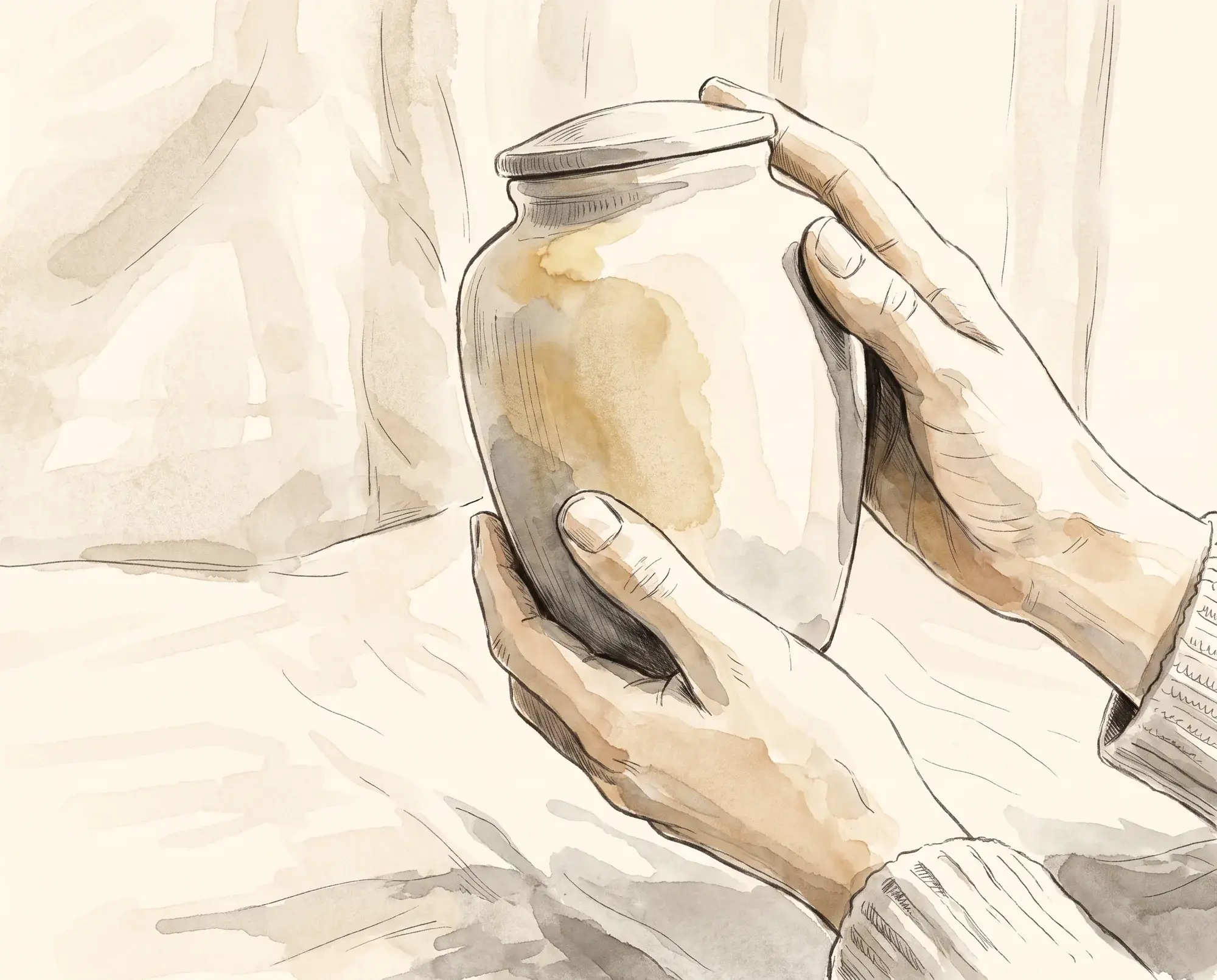
A beneficiary is a person or organisation, such as a charity, who receives something from the estate of someone who has died, under their will or under the rules of intestacy. If a beneficiary is under 18, what they inherit is held in trust until they turn 18.
How beneficiaries are chosen
In a will, the person who made it names them and says what each one receives. Without a valid will, the law chooses through the rules of intestacy: a husband, wife or civil partner first, then the children, then other relatives along a fixed list. Under those rules a partner who never married, step-children, friends, carers and charities receive nothing.
Pensions and life insurance policies often pay outside the will, to whoever was nominated on the provider’s form. That person may receive money even if the will does not mention them.
What a beneficiary receives, and when
Nothing is shared out until the executor or administrator has paid the funeral, the debts and any Inheritance Tax. The estate pays that tax to HMRC, so a beneficiary does not pay it on what they receive. What is left then goes to each beneficiary as the will or the intestacy rules set out. For a beneficiary under 18, a trustee holds their share.
What can change it
Anyone who witnesses a will loses the right to inherit under it, and so does their husband, wife or civil partner. After a death, beneficiaries who are all over 18 can agree together to change how the estate is shared, within 2 years of the death, using a deed of variation. Families sometimes use one to make provision for an unmarried partner the rules leave out.
In Scotland and Northern Ireland
Wills and inheritance work under different rules in Scotland and Northern Ireland, so the details above describe England and Wales.


Someone answers, any hour of the day
Tell us where your loved one is and we will tell you what happens next, and what it costs.

 Nigeria
 Jamaica
 Romania
 Bulgaria
 Slovakia
 France
 Germany
 Hungary