Grief
One of eighty-four terms in the funeral glossary
Grief is the natural response to losing someone. Shock, numbness, sadness, anger, guilt, exhaustion and trouble sleeping are all common, it is different for everyone and does not follow a straight line, and for most people it becomes less intense over time. If low mood or anxiety does not lift, a GP or a bereavement charity can help.
What grief can feel like
Grief is physical as well as emotional. In the first weeks many people feel numb, and the arrangements keep the loss at arm’s length. When the house goes quiet, the sadness, the anger, the guilt and the missing often arrive. Good days and bad days come without a pattern, and a wave can be set off by a song, a smell or a form with their name on it. Forgetfulness and a sense of being slightly outside your own life are common too.
How long it lasts
There is no fixed time limit. Six months is not a deadline, and the first anniversary is not a finish line; Cruse says some people find the second year harder than the first. Over time most people find their grief changes shape and becomes something they carry. Nor is it a list to work through: the stages of grief describe feelings, not a route.
When to ask for help
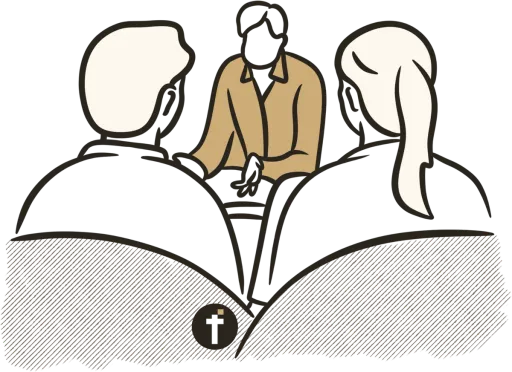
Medical guidance suggests seeing a GP if low mood or anxiety lasts more than two weeks, or if grief stays unmanageably severe after several months. A GP can refer you for grief counselling and talking therapy, and charities such as Cruse and Sue Ryder are there for anyone, not only people in crisis. When grief stays this heavy for many months, it may be complicated grief, and that is worth naming to someone.

Someone answers, any hour of the day
Tell us where your loved one is and we will tell you what happens next, and what it costs.

 Nigeria
 Jamaica
 Romania
 Bulgaria
 Slovakia
 France
 Germany
 Hungary